How to Choose a Keyboard OEM Manufacturer: A Practical B2B Guide
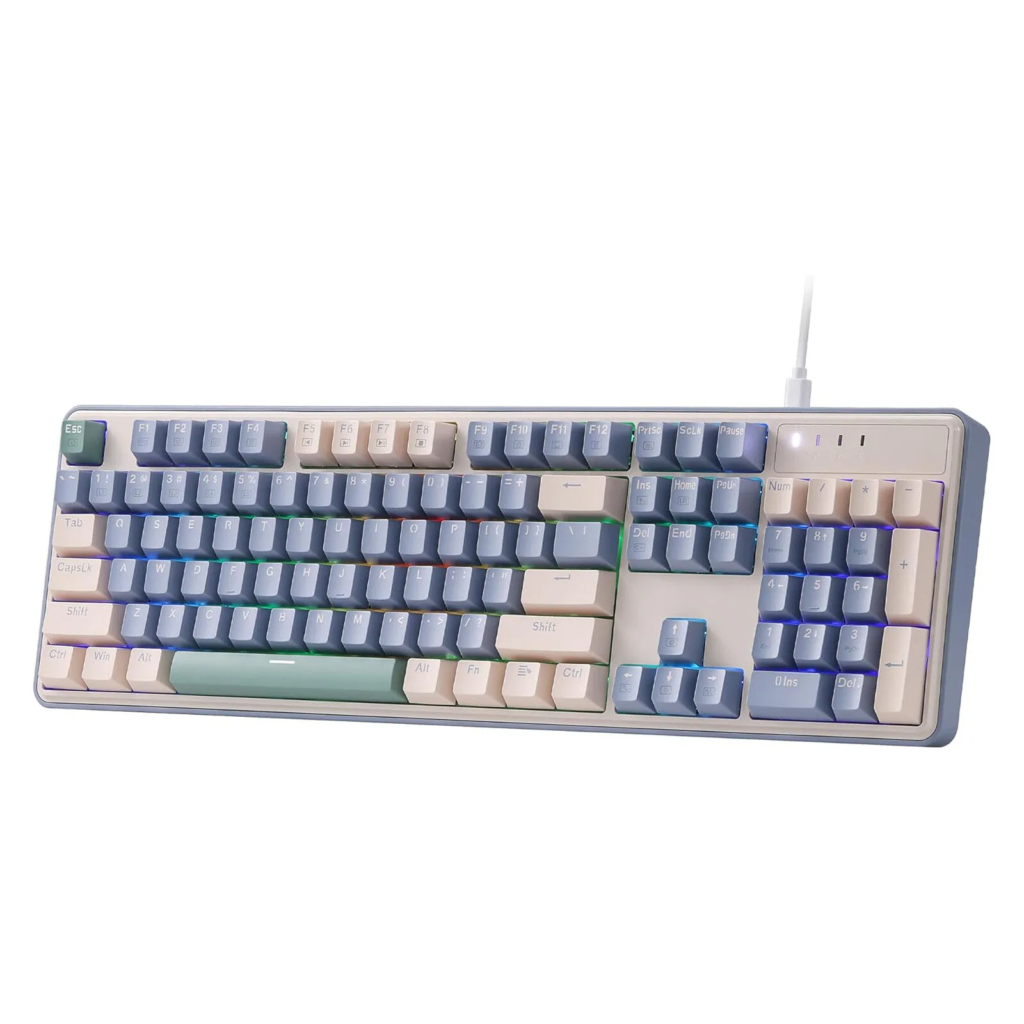
Finding the right keyboard OEM partner is the difference between a product that ships on time and one that drains your budget. This guide walks through the evaluation criteria that experienced B2B buyers use when comparing factories.
1. Define Your Product Scope First
Before contacting any manufacturer, know your baseline: existing model with logo changes (OEM), or custom design that requires new tooling (ODM). Most factories price these very differently because ODM involves mold development and engineering time.
Buyers who send a vague “I want a keyboard” typically get slower responses than those who specify layout, connection type, switch preference, keycap material, and target quantity upfront.
2. MOQ Isn-t a Fixed Number
Minimum order quantities vary by product tier. A stock keyboard with your logo printed on it may have a much lower MOQ than a fully custom design. Ask about:
- MOQ for stock models with branding only
- MOQ for semi-custom (color/material swaps without new molds)
- MOQ for full ODM (new tooling, custom PCB, unique enclosure)
- Sample policy before committing to production
3. Production Capability vs. Sales Pitch
A factory-s catalog can look impressive, but what matters is what they actually produce in volume. Ask for:
- Factory tour photos or video (not renderings)
- Client references for similar projects
- In-house QC process: incoming inspection, inline checks, outgoing testing
- Lead time for each stage: sampling to tooling to mass production to QC to shipping
4. Communication Quality Predicts Reliability
How a factory handles your first inquiry tells you a lot. Do they ask clarifying questions or send a generic quote? Do they explain pricing breakdowns (materials, tooling, labor, packaging) or just give a lump sum? Good factories educate their buyers.
5. Payment Terms and IP Protection
Standard terms vary by region, but professional OEM partners should be transparent about deposit percentage, milestone payments, and how your design files are handled. Ask whether they sign NDAs and how they manage tooling ownership after production.
6. The Difference Between OEM and ODM
Many buyers use these terms interchangeably, but they affect cost, timeline, and flexibility. OEM means you customize an existing product with your branding. ODM means the factory develops a product to your specifications, which requires upfront engineering and tooling investment but gives you more control over the final design. Choose based on your budget and product differentiation goals.
Ready to Evaluate a Partner?
Use our OEM/ODM page to review what AllwinKey offers, or send your requirements directly through the form below to get a project-specific assessment.
Frequently Asked Questions
OEM means you modify an existing keyboard model with your branding, while ODM involves designing a custom keyboard from scratch with the manufacturer's engineering support.
Assess their production capacity, quality control certifications, sample turnaround time, and ability to handle your specific product scope, whether simple logo changes or complex custom designs.
Clearly define your product scope: existing model with logo changes (OEM) or custom design requiring new tooling (ODM), along with target price, MOQ, and delivery timeline.
Buyer next step
Need custom keyboards or keycaps from a factory?
Send material, layout, quantity, packaging and timeline. AllwinKey will use it to prepare a practical RFQ discussion.
Member / sourcing checklist
Use the sourcing checklist before you register
Prepare MOQ, material, layout, packaging and sample questions before you contact the factory.
Open buyer sourcing checklist →Register as a buyer / member →
Buyer Q&A
Use this area for practical sourcing questions about MOQ, materials, layouts, samples, packaging, production schedule or OEM/ODM details.
No public sourcing questions yet. Be the first to ask a practical buyer question.