How to Make Magnetic Fluid
B2B pricing depends on quantity, material, process, packaging and customization. Use the price as a reference point and request a factory quote for bulk/OEM terms.
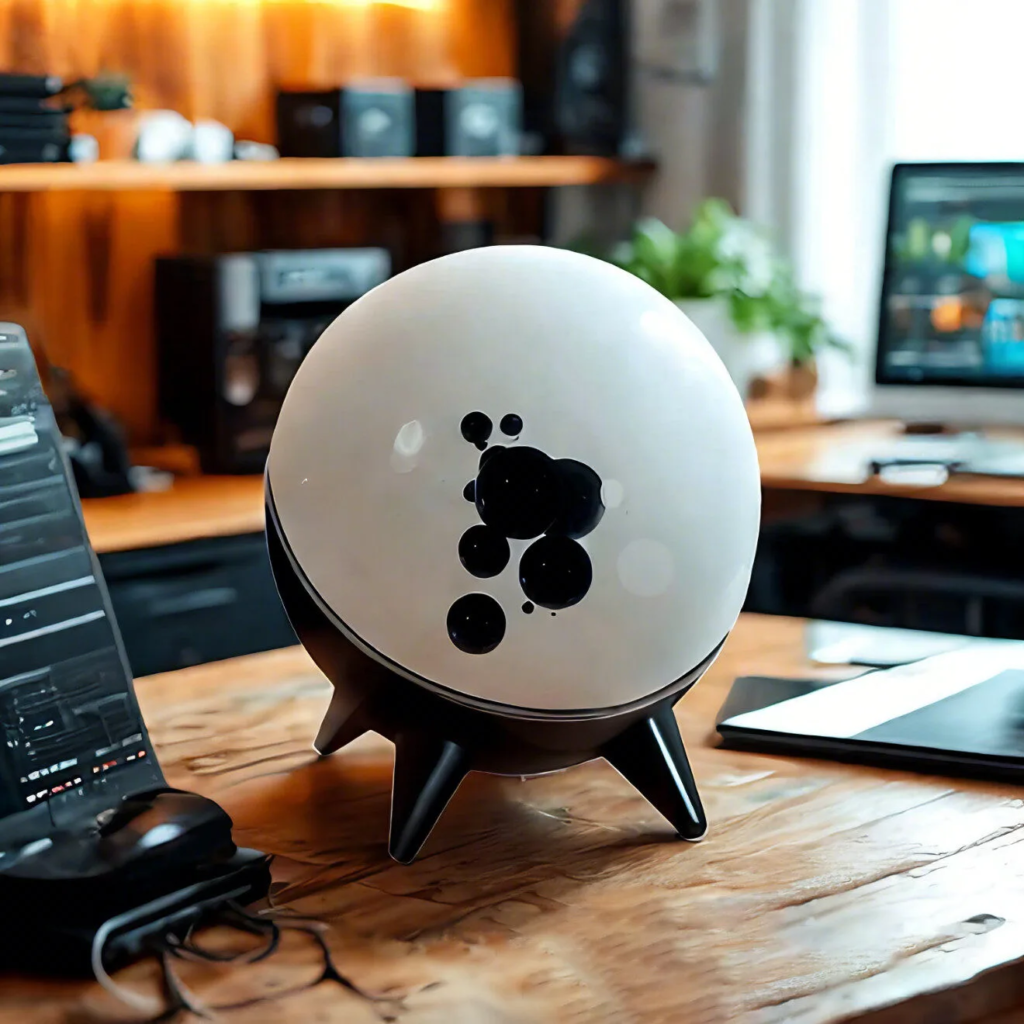
How to Make Magnetic Fluid (Ferrofluid) at Home
Focus Keyword: how to make magnetic fluid
Slug (Alias): how-to-make-magnetic-fluid
Meta Description: Learn step-by-step how to make magnetic fluid (ferrofluid) at home using toner or iron salts, oil, and magnets. Includes video and safety tips.
🎥 Watch the Full DIY Video
Follow along this clear, hands‑on video demonstrating how to create ferrofluid at home:
🧰 Method 1: Using Toner and Oil
One of the easiest ways to make ferrofluid involves magnetic toner (e.g., from MICR printer cartridges):
- Mix toner powder with vegetable or light oil until thick and pourable :contentReference[oaicite:2]{index=2}.
- Stir thoroughly; it won’t dissolve but suspend.
- Bring a strong magnet near — spikes and fluid movement will appear.
This simple recipe works well for demos and science experiments. However, toner is messy and can stain, so use gloves and clean carefully :contentReference[oaicite:3]{index=3}.
⚗️ Method 2: Chemically Synthesizing Ferrofluid
For more advanced DIY, you can create magnetite (Fe₃O₄) nanoparticles chemically:
- Mix FeCl₂ and FeCl₃ in a 1:2 ratio, add ammonia dropwise — black precipitate forms :contentReference[oaicite:4]{index=4}.
- Coat particles with oleic acid (a surfactant) to prevent clumping.
- Wash, dry, and suspend the coated nanoparticles in kerosene or oil.
This method produces more stable ferrofluid but requires lab equipment and handling of chemicals and solvents :contentReference[oaicite:5]{index=5}.
📜 Reddit DIY Insight
> “Magnetic toner. It’s very easy to miss that bit. You need the kind of toner used to print the magnetic numbers on personal cheques.”
This tip is often overlooked — standard laser printer toner won’t work :contentReference[oaicite:6]{index=6}.
⚠️ Safety Tips
- Wear gloves and a mask — toner dust is messy and oily stains are hard to remove :contentReference[oaicite:7]{index=7}.
- Work in a well‑ventilated area; avoid inhaling toner or solvents.
- Clean spills by dabbing—don’t scrub, or the toner stain worsens :contentReference[oaicite:8]{index=8}.
Always prioritize safety, especially when using solvents like kerosene, acetone, or ammonia.
🧪 Comparing Methods
| Method | Materials | Difficulty | Quality |
|---|---|---|---|
| Toner + Oil | Magnetic toner, oil | Easy | Demo‑grade |
| Chemical Synthesis | FeCl₂/₃, ammonia, oleic acid, solvent | Medium–Hard | Stable, lab‑grade |
✅ Final Thoughts
If you want to impress friends or teach magnetism visually, go with toner + oil. For serious hobbyists or experiments, the chemical route yields better, longer‑lasting results.
Whichever method you choose, always respect safety procedures, and enjoy exploring this magical magnetic fluid!
@allwin_factory #Fluid Audio Visualizer