From WDSA to Your Keyboard: The Real Story Behind Artisan Ceramic Keycaps
Why Are Artisan Keycaps So Expensive? A Look Behind the Scenes
If you’re in the world of custom mechanical keyboards, you’ve likely seen them: stunning, unique, and often jaw-droppingly expensive artisan keycaps. A single cap can sometimes cost more than a full set of standard ones. But why? While artistry plays a role, a significant portion of the cost often comes from a long and layered supply chain. Today, we’re peeling back the curtain on this niche market, using a special product as our guide: ceramic keycaps from Jingdezhen, China’s legendary “Porcelain Capital.”
The Journey from Ancient Kiln to Modern Desk
The craftsmanship there is a world away from mass-produced plastics. When a product like a ceramic keycap is made in Jingdezhen, it carries that legacy. It’s not just a piece of plastic; it’s a small piece of ceramic art, precision-fired for a smooth finish and a unique typing sound and feel.
This level of craftsmanship is the starting point of its value. However, when these items are sold overseas, they often pass through multiple hands:
- The manufacturer or artisan studio in Jingdezhen.
- An exporter who consolidates products.
- An importer in the destination country.
- A brand or distributor who packages and markets the product.
- The final retailer or online boutique.
Each step can add a markup to cover costs and profit. By the time that beautiful keycap reaches you, the price may have been inflated significantly compared to its factory-side cost. This is especially true for unique, small-batch items where the perceived value is high.
How to Spot Better Value: A Buyer’s Guide
For savvy buyers, the goal is to get closer to the source. How can you identify products that offer craftsmanship without the layers of retail markups? Here are a few things to look for:
- Origin Transparency: Does the seller proudly state the origin, like “Jingdezhen”? This is a sign of quality they want to highlight.
- OEM/ODM Branding: Seeing “OEM/ODM” (Original Equipment Manufacturer / Original Design Manufacturer) in a product name is a strong hint that you’re dealing with the factory or a direct source.
- Minimalist Packaging: Factory-direct goods often come with simple or no retail packaging. You’re paying for the product, not a fancy box you’ll throw away.
A Prime Example: Jingdezhen Ceramic WASD Keycaps
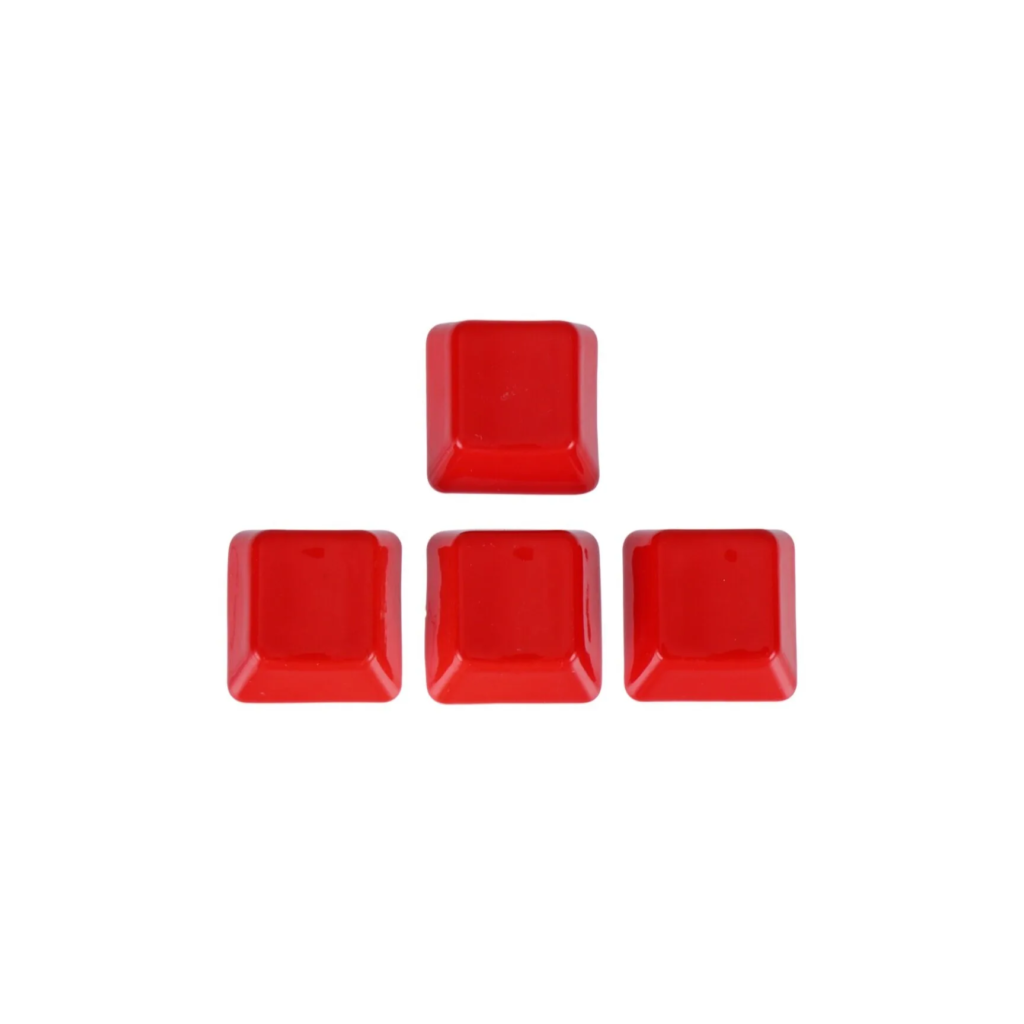
This brings us to a perfect case study: the Small Batch Solid Color Ceramic WASD Keycap Set. This product ticks all the boxes for a smart, direct-from-source purchase.
Crafted in the heart of the Porcelain Capital, these keycaps are made from high-quality, durable ceramic. They are heat-resistant, wear-resistant, and precision-fired to give your fingers a smooth, cool-to-the-touch feel that plastic simply can’t replicate. The typing sound, a satisfying “thock,” is another reason enthusiasts seek out ceramic caps.
Because this is a small-batch set from an OEM/ODM source, you’re getting access to this unique keyboard upgrade without the typical retail inflation. Compatible with standard MX stem mechanical keyboards, it’s an easy way to elevate the look and feel of your most-used keys (WASD) with genuine ceramic craftsmanship.
Upgrade Your Typing Experience, Directly
You don’t have to pay exorbitant prices for premium, artisan-quality keyboard accessories. By understanding the supply chain, you can make smarter choices and get more value for your money. If you’ve been curious about the unique feel of ceramic keycaps, this is your chance to experience them without the boutique price tag.
Ready to feel the difference of true Jingdezhen craftsmanship? Explore the Ceramic WASD Keycap Set and bring a piece of history to your modern setup.
Frequently Asked Questions
Costs come from labor-intensive shaping, glazing, kiln firing with yield loss, and per-unit QC—not just design. Small-batch production and hand-finishing further raise per-cap cost.
Yes. OEM/ODM manufacturers support custom profiles, glazes, legends, and packaging, with tooling and color matching handled in-house. Volume orders typically lower per-unit cost versus buying finished artisan caps.
Confirm profile compatibility (e.g., WDSA or standard stems), glaze durability and color consistency, firing yield and defect rates, QC standards, MOQ, lead times, and packaging for retail.
Buyer next step
Need custom keyboards or keycaps from a factory?
Send material, layout, quantity, packaging and timeline. AllwinKey will use it to prepare a practical RFQ discussion.
Member / sourcing checklist
Use the sourcing checklist before you register
Prepare MOQ, material, layout, packaging and sample questions before you contact the factory.
Open buyer sourcing checklist →Register as a buyer / member →
Buyer Q&A
Use this area for practical sourcing questions about MOQ, materials, layouts, samples, packaging, production schedule or OEM/ODM details.
No public sourcing questions yet. Be the first to ask a practical buyer question.