Mechanical Keyboard Markups: An Insider’s Guide to Finding Real Value
Why Does One Keyboard Cost $50 and Another $200?
The world of mechanical keyboards has exploded. From gamers seeking a competitive edge to programmers wanting a better typing experience, everyone is looking for that perfect ‘thock’ or ‘clack’. But as you browse online, you’ll see a massive price range. Two keyboards with seemingly similar features can have drastically different price tags. What gives?
The answer often lies not in the quality of the components, but in the journey the product takes from the factory to your doorstep. Understanding this journey is the key to finding incredible value.
The Hidden Layers: From Manufacturer to Retailer
Many of the keyboards you see from popular brands don’t actually start their life with that brand. They begin as a base model from an Original Equipment Manufacturer (OEM) or Original Design Manufacturer (ODM). Here’s a simplified look at the typical supply chain:
- The Factory (OEM/ODM): This is where the keyboard is designed, engineered, and assembled. They produce the core product with all its features.
- The Brand: A brand purchases these keyboards, adds their logo, designs custom packaging, and creates a marketing campaign. This adds a significant cost layer.
- Distributors & Retailers: The brand then sells to distributors or directly to retailers (like Amazon or big-box stores), who each take their cut.
By the time the keyboard reaches you, its price may have been marked up at each stage. This is why a direct-from-manufacturer option can often provide superior features for a fraction of the cost.
How to Identify a High-Value Keyboard
When you’re looking to get the most for your money, bypass the brand hype and focus on the core features that define a quality keyboard. Here’s what to look for:
- Hot-Swappable Sockets: This is a game-changer. It allows you to change mechanical switches without any soldering, offering endless customization. This used to be a premium, enthusiast-only feature but is now a hallmark of a great value board.
- Build Quality & Sound Dampening: Look for details like a solid case material (like Polycarbonate) and the inclusion of sound-dampening foam. These elements dramatically improve the typing feel and sound, and are often the first things cut on cheaper, mass-market retail boards.
- A Versatile Layout: An 87-key, or tenkeyless (TKL), layout is the sweet spot for many users. It saves desk space by removing the numpad while keeping the essential navigation keys.
A Case Study in Factory-Direct Value
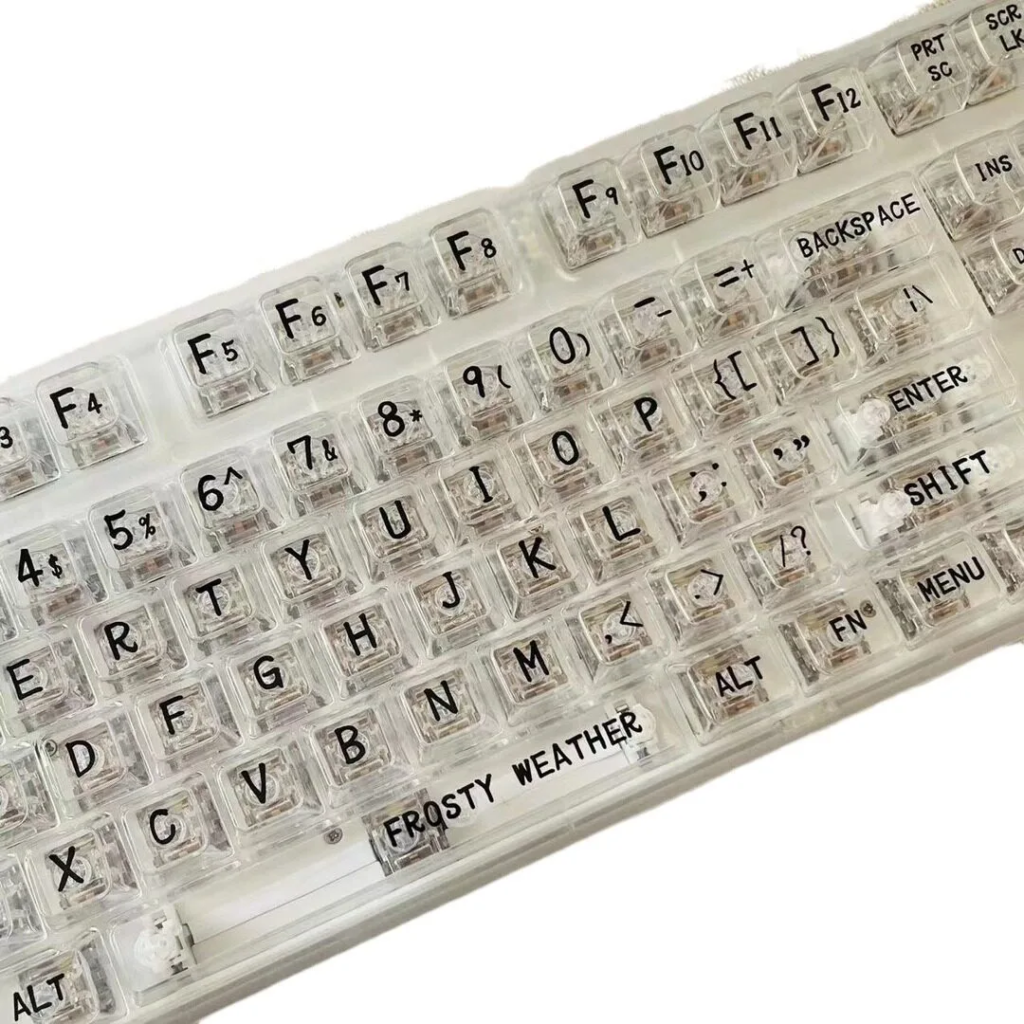
When you find a product that packs in these value-focused features directly from the source, you’ve found a winner. The allwinOEM/ODM F87MM Mechanical Keyboard is a perfect example of this principle in action.
It ticks all the boxes of a modern, enthusiast-grade keyboard. It’s fully hot-swappable, allowing you to tailor the feel to your exact preference. It features a stunning transparent case that showcases its inner workings and is built with sound-dampening foam for a more satisfying, less hollow typing sound—a detail often overlooked in its price category. The clean white backlighting and compact 87-key layout make it a functional and aesthetic upgrade for any setup.
Get More Keyboard for Your Money
Don’t pay extra for a logo and layers of marketing. By understanding what makes a keyboard great and looking closer to the source, you can get a product with premium features without the premium price tag. If you’re ready to experience the difference that factory-direct value makes, take a closer look at what a true OEM/ODM board can offer.
Check out the allwinOEM/ODM F87MM Mechanical Keyboard and see the high-end features you can get by avoiding the retail markup.
Related AllwinKey factory sourcing pages
If you are comparing costs, materials or factory options, use these pages to prepare a practical sourcing request:
Frequently Asked Questions
Price differences stem from component quality (e.g., aluminum vs. plastic cases), switch type (Cherry vs. clones), and manufacturing scale. OEM/ODM suppliers offer tiered pricing based on order volume and customization complexity.
Focus on build materials, switch reliability, and PCB quality. Partner with an experienced OEM/ODM manufacturer who provides transparent cost breakdowns and samples for testing before bulk orders.
Key cost drivers include case material (plastic, aluminum, or brass), switch type and sourcing, PCB design complexity, keycap quality, and assembly labor. Customization like RGB lighting or wireless adds 15-30% to production costs.
Buyer next step
Need custom keyboards or keycaps from a factory?
Send material, layout, quantity, packaging and timeline. AllwinKey will use it to prepare a practical RFQ discussion.
Member / sourcing checklist
Use the sourcing checklist before you register
Prepare MOQ, material, layout, packaging and sample questions before you contact the factory.
Open buyer sourcing checklist →Register as a buyer / member →
Buyer Q&A
Use this area for practical sourcing questions about MOQ, materials, layouts, samples, packaging, production schedule or OEM/ODM details.
No public sourcing questions yet. Be the first to ask a practical buyer question.